USA’s Investment in Nepal's Government: Strategy or Global Aid?
Overview
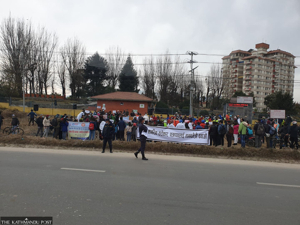
In recent years, the United States has increased its investment and aid programs in Nepal. These investments include infrastructure projects, healthcare initiatives, educational programs, and military assistance. While some view this as an act of global support, others argue it may be part of a strategic effort to influence South Asia.
US Investments and Strategic Blend
US investments in Nepal blend development aid with strategic geopolitical aims. While framed as humanitarian support, they often align with broader US efforts to counter China's regional influence.
| Program | Amount | Focus | Strategic Angle |
|---|---|---|---|
| MCC Compact (moderndiplomacy) | $500M | Infrastructure (power, roads) | Counters BRI; tied to IPS in discourse |
| USAID Grants (nppr+1) | $700M+ (2019-2025) | Health, education, resilience | Builds goodwill; limits China influence |
| Military Aid (moderndiplomacy) | $42.8M | Defense financing, exercises | Security ties beyond disaster relief |
Strategic Context
The US has provided significant aid to Nepal, including the $500 million Millennium Challenge Corporation (MCC) compact ratified in 2022, plus over $700 million in assistance since 2019 for infrastructure, health, and education. This support intensified after Nepal joined China's Belt and Road Initiative in 2017, with US officials linking it to the Indo-Pacific Strategy (IPS) to deter Beijing's sway.
Aid vs. Dominance Debate
US aid historically countered communism during the Cold War and now balances China-India dynamics, enhancing Nepal's "western orientation" through military financing and joint exercises. Critics in Nepal view MCC as an IPS tool for South Asia dominance, despite US denials, amid concerns over sovereignty and transparency compared to Chinese projects.
In essence, while Nepal benefits from aid and development programs, the USA maintains strategic visibility in South Asia. This dual purpose is a common feature of international relations where development and diplomacy intersect.
Conclusion
USA’s investment in Nepal is neither purely altruistic nor solely strategic. It represents a combination of global humanitarian support and calculated geopolitical influence. Understanding this balance helps citizens, students, and policymakers appreciate the complexities of international aid and diplomacy in South Asia.






0 Comments